A Guide to Preserving Your Historic Corona Home
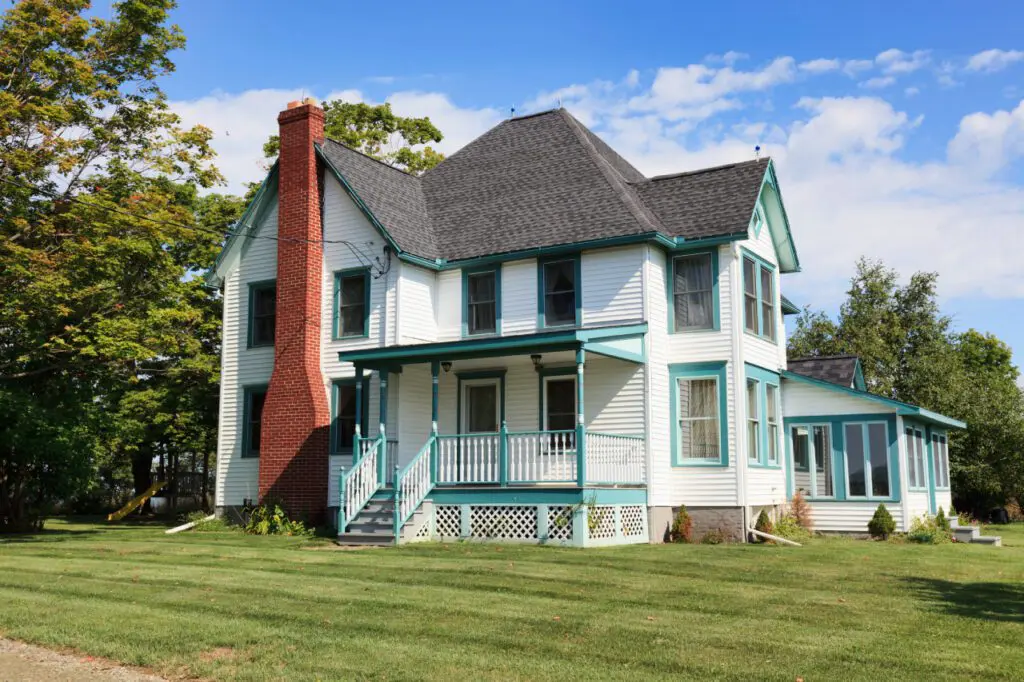
Owning a historic home in Corona is more than just a real estate transaction; it’s a commitment to being a steward of our city’s past. From the charming bungalows near Grand Boulevard to the stately craftsman homes in older neighborhoods, these residences are living monuments to Corona’s heritage. They tell stories of the families who built them, the eras they represent, and the community that grew around them. Preserving your historic home is a rewarding journey that not only protects your investment but also contributes to the unique character of our city. This guide is designed to help you navigate the process, offering practical advice and connecting you with the resources you need to maintain your home’s integrity for generations to come.
Understanding Your Home’s History
Before you can preserve your home, you must understand it. Take the time to research its history. What year was it built? Who were the original owners? What architectural style does it represent? Resources like the Corona Heritage Park & Museum and the Corona Public Library’s local history section can be invaluable for this research. You might uncover original blueprints, old photographs, or even stories from previous residents. Knowing your home’s story will inform your preservation decisions, helping you distinguish between original, historically significant features and later additions that can be altered without compromising its character. This research is the foundation of any preservation project and can be one of the most fulfilling parts of the process.
Prioritizing Your Preservation Efforts
Preserving a historic home can feel overwhelming, so it’s essential to prioritize. Start with structural issues that could cause significant damage, such as a leaky roof, a failing foundation, or water intrusion. These problems should be addressed immediately to prevent further decay. Next, focus on preserving or restoring original features that are still in good condition. For instance, if your home has original wood siding, it’s often better to repair and repaint it rather than replacing it with a modern, synthetic material. The goal is to retain as much of the original fabric of the building as possible.
Exterior Preservation: The First Impression
Your home’s exterior is its public face, and preserving it correctly is crucial.
- Siding: Historic wood siding is a defining feature of many Corona homes. When it needs attention, avoid using power washers on high pressure, which can damage the wood fibers. Instead, gently clean it and use a high-quality primer and paint. If a section is too deteriorated, replace it with new wood that matches the original profile and dimensions.
- Windows: Original wood-sash windows are often mistakenly replaced with new vinyl windows for “efficiency.” However, a properly maintained and weather-sealed historic window can be as energy-efficient as many modern replacements. Preserve the original glass and repair the sash. You can add storm windows for extra insulation without altering the historic appearance.
- Roofing: When it’s time for a new roof, choose materials that are historically appropriate. For homes with Spanish Colonial Revival architecture, that means clay tiles. For Craftsman or Bungalow styles, composition shingles or wood shakes might be the right choice.
- Porches and Trim: These elements often suffer from water damage. Be diligent about keeping them well-painted and sealed. For repairs, try to match the original wood species and profile.
Interior Preservation: The Heart of the Home
Inside your home, you’ll find unique features that are central to its charm.
- Woodwork: Original wood trim, doors, and built-in cabinets are irreplaceable. Before painting, consider whether the wood could be stripped and restored to its natural beauty. If it must be painted, use a high-quality paint that won’t obscure the intricate details.
- Flooring: Hardwood floors can often be sanded and refinished, revealing the beautiful grain of the original wood. Even if a floor is badly worn, it’s often possible to patch or replace individual boards to match the original, rather than tearing it all out.
- Plaster Walls: Many historic homes have plaster walls, which can be more durable and have a different texture than modern drywall. Small cracks can be repaired with a simple patching compound. For larger areas, it’s often best to consult a professional who specializes in plaster repair.
- Fixtures: Light fixtures, door hardware, and even plumbing fixtures can all contribute to your home’s historic feel. If you are updating systems, consider keeping or restoring any original fixtures that are still functional or can be repurposed.
Finding the Right Resources
You don’t have to do it alone. The Corona Historic Preservation Society is here to help. We offer guidance on everything from preservation techniques to finding skilled local contractors who specialize in historic work. Connecting with us can open the door to a community of like-minded homeowners, preservation experts, and resources that can make your project a success. By preserving your historic home, you are not just maintaining a building—you are protecting a piece of our collective history and ensuring that the stories of our city continue to be told.