Why Preserving History Matters for Future Generations
In the fast-paced world of progress and innovation, it can be easy to overlook the quiet voices of the past. Yet, the historic buildings, sites, and artifacts that dot our landscape are more than just relics; they are the tangible record of who we are. For the Corona Historic Preservation Society, the act of preserving history is not about living in the past but about building a better future. It is a commitment to ensuring that the lessons, identities, and unique stories that shaped our community are available for those who will inherit it. Historic preservation is a vital investment in our collective memory, our economy, and our environment, and its importance for future generations cannot be overstated.
Connecting With Our Identity and Sense of Place
A community’s identity is deeply rooted in its history. Historic buildings and neighborhoods provide a sense of place that new construction simply cannot replicate. They serve as landmarks that ground us in a shared past, giving us a collective story and a feeling of belonging. When we walk through the streets of Corona’s historic neighborhoods, we are walking on the same paths as the city’s founders. We see the craftsmanship of earlier generations and feel the continuity of time. By preserving these sites, we maintain the physical anchors of our community’s story. For a child growing up in Corona, a historic site like the Grand Boulevard or the Corona Public Library is not just a building; it is a point of reference, a symbol of their hometown’s unique heritage. Preserving these anchors ensures that future generations will have a clear, tangible connection to their community’s roots.
Education and Learning From the Past
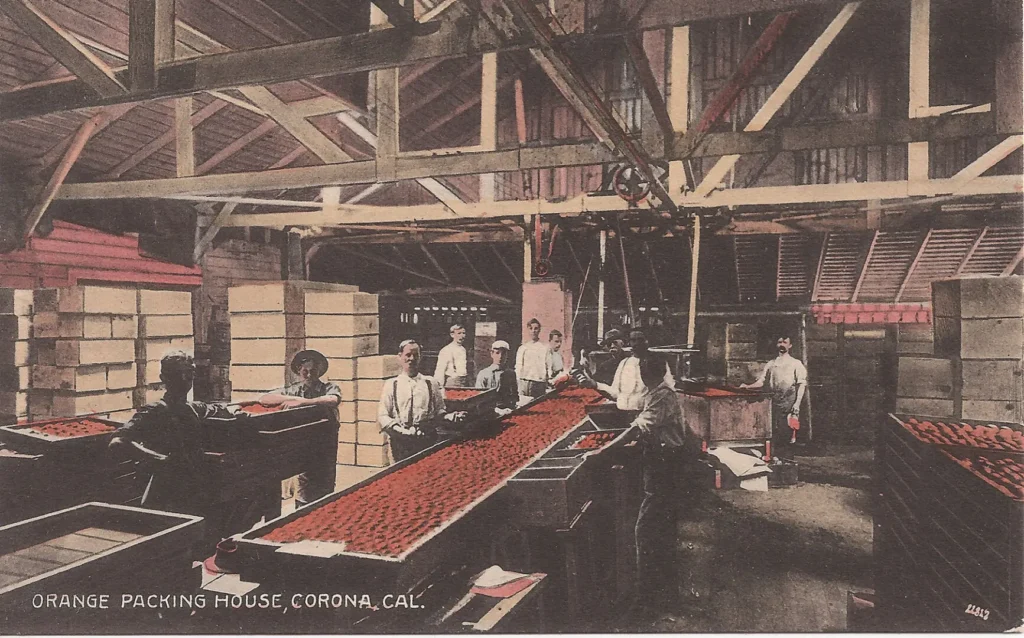
Historic sites are invaluable educational tools. They offer hands-on lessons in history, architecture, engineering, and social studies that far surpass what can be learned from a textbook alone. A visit to a historic building allows us to understand the technology and design of a different era. An old citrus packing plant tells us about the city’s agricultural economy and the people who worked there. By preserving these spaces, we create living classrooms where future students can learn about the challenges, triumphs, and daily lives of those who came before them. Historic preservation gives us the opportunity to study our mistakes and celebrate our successes, providing a crucial context for understanding the present and making informed decisions about the future. It teaches us to respect the ingenuity of previous generations and to value the rich tapestry of human experience.
Driving Economic Growth and Community Vitality
Preserving history is also a powerful economic engine. Historic districts and landmark buildings often become destinations for heritage tourism, attracting visitors who spend money at local businesses, restaurants, and hotels. This influx of tourism helps to create jobs and boosts the local economy. Moreover, the rehabilitation of historic buildings often spurs revitalization in entire neighborhoods, increasing property values and creating vibrant commercial and residential areas. The preservation industry itself is a source of specialized jobs, from skilled craftspeople who restore intricate woodwork to historians and architects who specialize in period-appropriate design. Unlike new construction, which often relies on temporary labor and foreign materials, preservation projects typically employ local talent and support local suppliers, keeping money within the community. For future generations, this means a more robust and sustainable economy built on the very foundations of their city.
Environmental Responsibility
In today’s world, sustainability is a key concern, and historic preservation is one of the most effective forms of environmental stewardship. The greenest building is often the one that already exists. By restoring and reusing existing buildings, we reduce the need for new construction, which minimizes the consumption of raw materials, the energy used in manufacturing new products, and the amount of waste sent to landfills. Historic buildings were often constructed with durable, high-quality materials that have already stood the test of time and require less energy to maintain. The process of retrofitting historic structures with modern insulation, efficient heating systems, and other green technologies is a sustainable practice that honors the past while protecting the future. Preserving our history is a powerful act of environmental responsibility that we can pass on to the next generation.
Our Legacy for the Future
Ultimately, preserving history is a legacy we leave for those who come after us. It is our responsibility to be good stewards of the past, ensuring that the next generation inherits a community with a rich and intact heritage. By saving historic sites, we are not just saving bricks and mortar; we are saving stories, memories, and a tangible link to our shared identity. The Corona Historic Preservation Society is dedicated to this mission, but it is a mission that requires the entire community’s support. By getting involved, we can all play a part in ensuring that Corona’s history continues to inspire, educate, and ground future generations for many years to come.
Support Our Mission